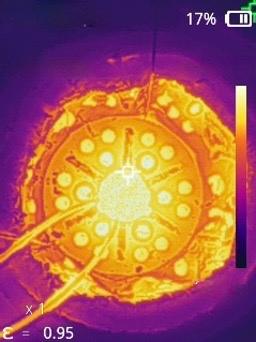
ThermoVolt thermal imaging
Pakistan · Switzerland

Heat is the battery. Ceramic is the cell.

ThermoVolt stores electricity as heat in locally manufactured refractory ceramics — from 12 kWh residential geysers to multi-MWh industrial process-heat batteries.

12 kWh
Residential entry point
1,050°C
Peak storage temperature
100%
Electricity-to-heat efficiency
Ceramic Thermal StorageMade in PakistanSolar + Grid AgnosticNo Lithium · No Cobalt12 kWh → 10 MWhREPIC Co-financed Ceramic Thermal StorageMade in PakistanSolar + Grid AgnosticNo Lithium · No Cobalt12 kWh → 10 MWhREPIC Co-financed
Heat Battery

A Battery — But for Heat.

Most energy storage debate focuses on electricity. But 50% of global final energy demand is heat — and heat is far cheaper to store than electrons. ThermoVolt stores electricity as heat in dense refractory ceramics, releasing it on demand as hot air, hot water or steam. No electrochemical degradation. No fire risk. No imported minerals.

Charge from Any Source

Store heat cheaply. Use heat on demand.

ThermoVolt stores electricity as heat with near-100% electricity-to-heat conversion in the heating elements (resistive). The source doesn't matter — what matters is charging when electricity is abundant and releasing heat when it is needed. No inverter is required for the heating elements, and there is no electrochemical capacity fade in the ceramic core.

☀️
Rooftop Solar Surplus
Over 18 million Pakistani households have solar panels with no net metering and no way to store midday surplus. ThermoVolt charges directly from that stranded electricity — no grid connection, no DISCO contract, no inverter losses.

Perfect for residential and peri-urban installations where rooftop PV is already installed.
No Grid Required
Grid at Peak PV Hours
Pakistan has set a target of 60% renewable energy by 2030 — already at 53% and accelerating. High renewable penetration creates midday surplus and drives dynamic grid tariffs. Thermal batteries can charge from the grid at lowest-tariff hours, then deliver heat for free all day.

Enables urban tandoors, city hospitals, and hotels with no rooftop access to benefit from Pakistan's solar transition.
Grid-Compatible
100%
Electricity → Heat efficiency
Zero
Conversion losses for thermal end uses
10,000+
Thermal cycles potential
Core Materials

Two Materials. Two Functions. Both Made in Pakistan, from local raw materials

ThermoVolt is built on two distinct ceramic technologies — each chosen for its specific role, both sourced and manufactured entirely within Pakistan.

65% Alumina Thermal Mass
Built to store energy as sensible heat at up to ~1000°C

Aluminium comprises ~8% of Earth's crust, mostly as aluminium-bearing minerals that support alumina-based refractories. For storage, alumina wins on the physics of scale: high density combined with high solid heat capacity delivers strong energy density in a simple, durable material that is abundant and geopolitically de-risked.

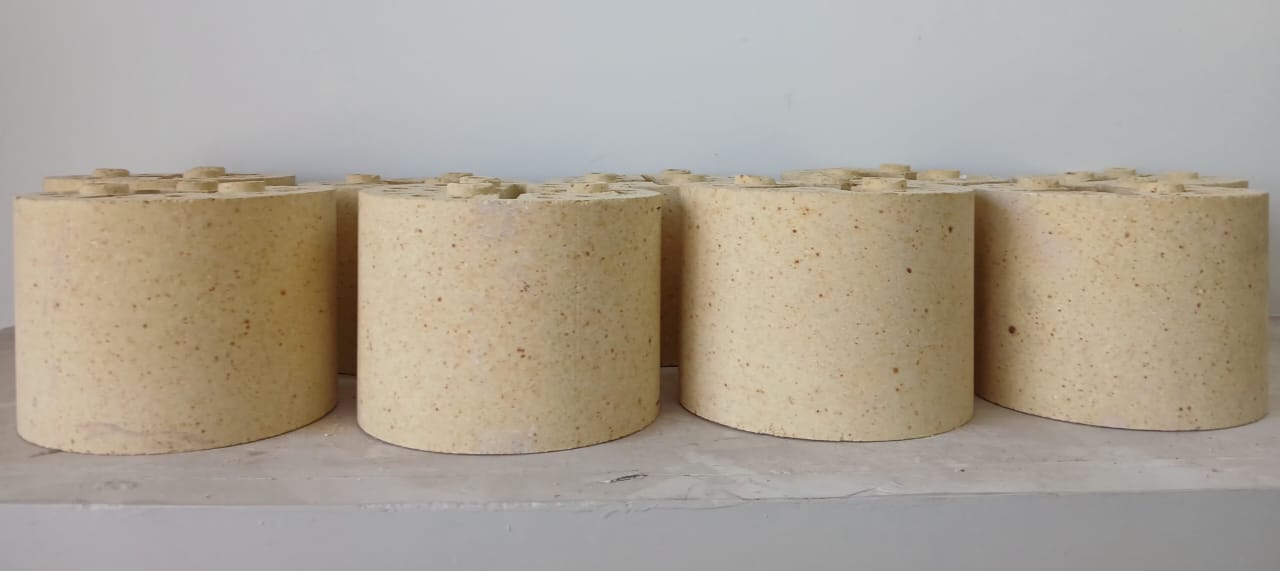
Dense refractory bricks from Abbottabad alumina. Stores heat at up to 1,050°C with no degradation over thousands of cycles.

  • High-temperature stability for bulk storage
  • High density + high solid heat capacity
  • Local, abundant, non-toxic, recyclable
Specialised Ceramics Process Components
Shaped components that manage airflow, mixing, and heat exchange

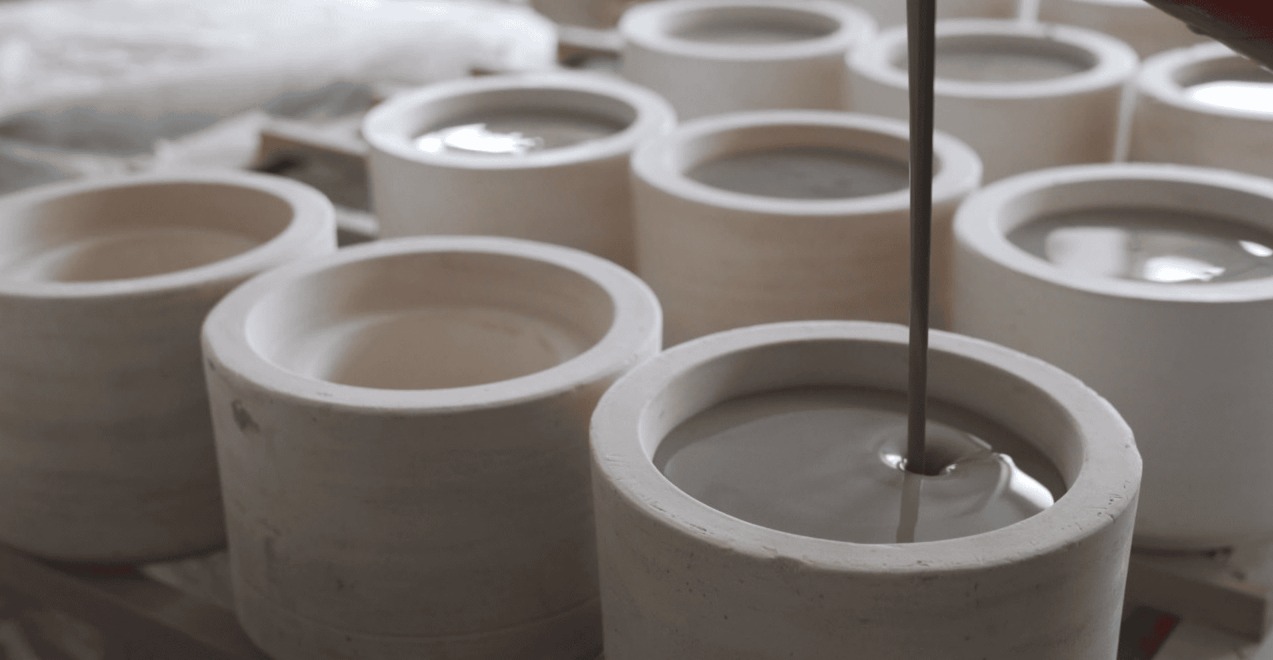
Custom-engineered ceramic for valve boxes, downcomers and hot-air management — replacing Inconel superalloys with locally manufactured ceramics.

  • Complex shapes via local ceramic forming
  • Excellent thermal shock / cycling resilience
  • Low expansion for alignment and sealing

Both material families are local, affordable, proven in kilns and furnaces for centuries, and recyclable at end of life.

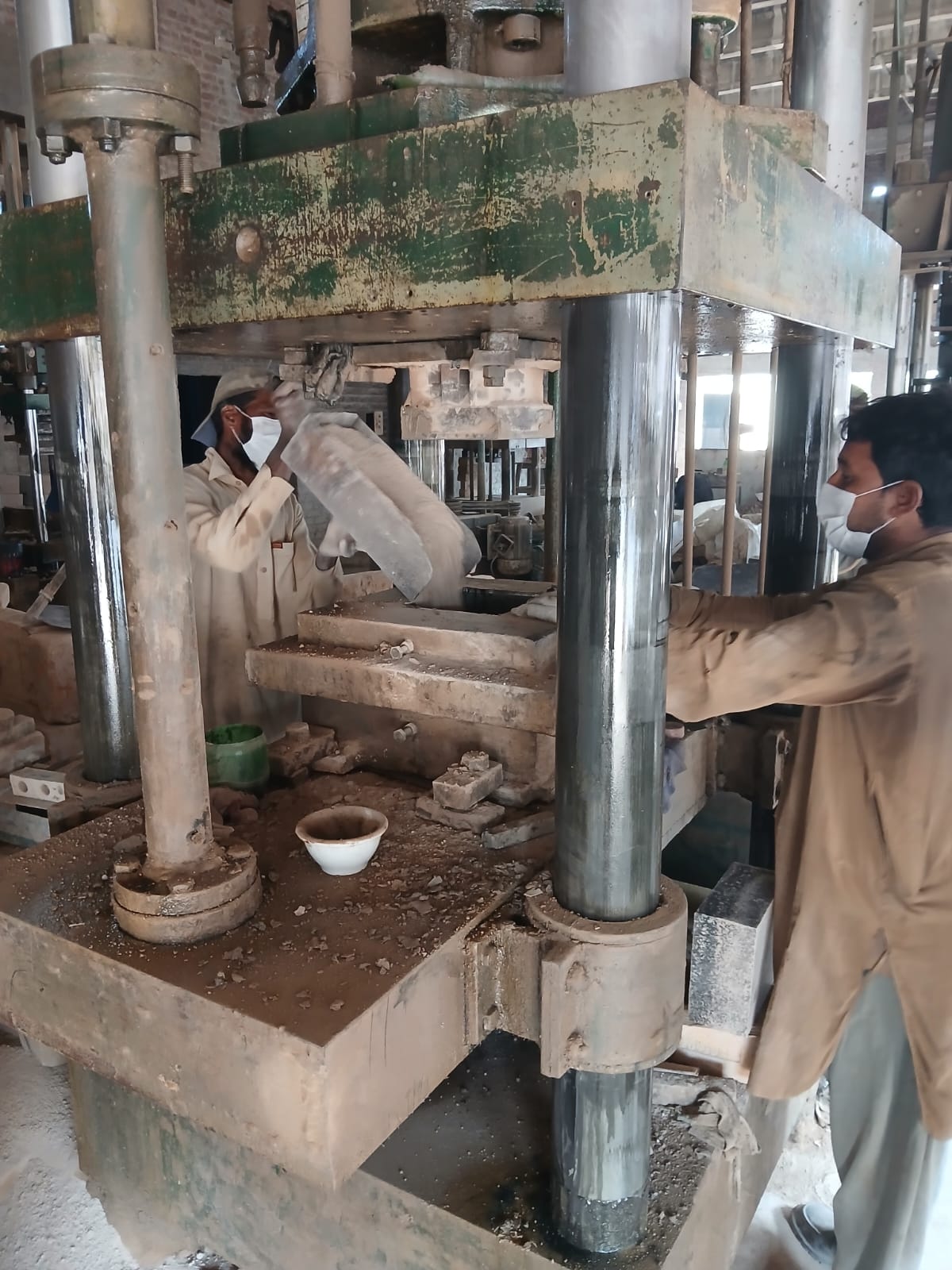
ThermoVolt thermal
Storage core in practice — pressed refractory elements
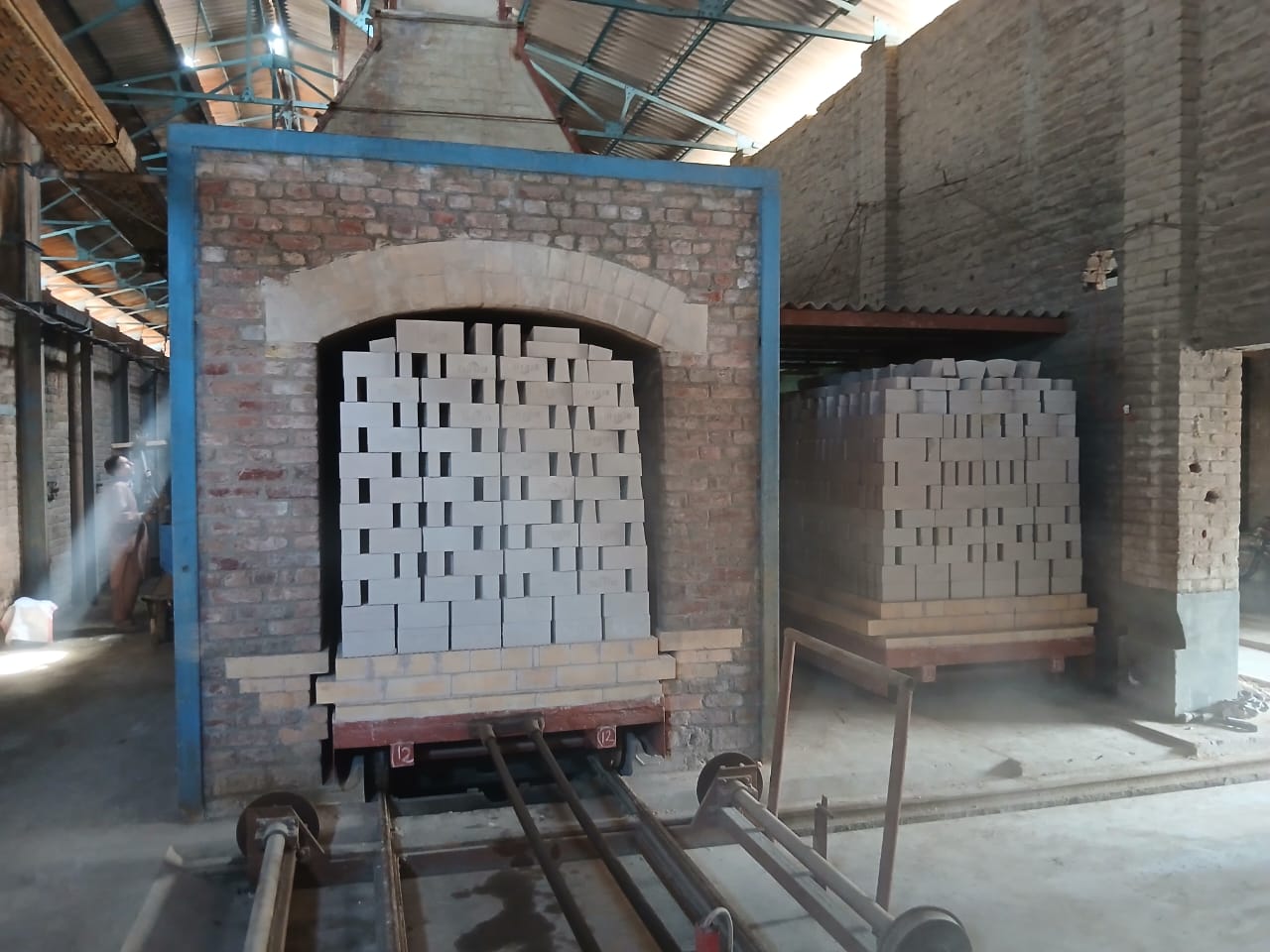
ThermoVolt thermal
Heat-processing components — slip-cast specialised ceramics
Field Validation

Proven Under Real Conditions

Beta V5 field trials running across Gujranwala, Haripur and Islamabad. 12 household units monitoring thermal mass temperature, water temperature, solar surplus capture and grid interaction in real time — with 4G telemetry and GPS logging.

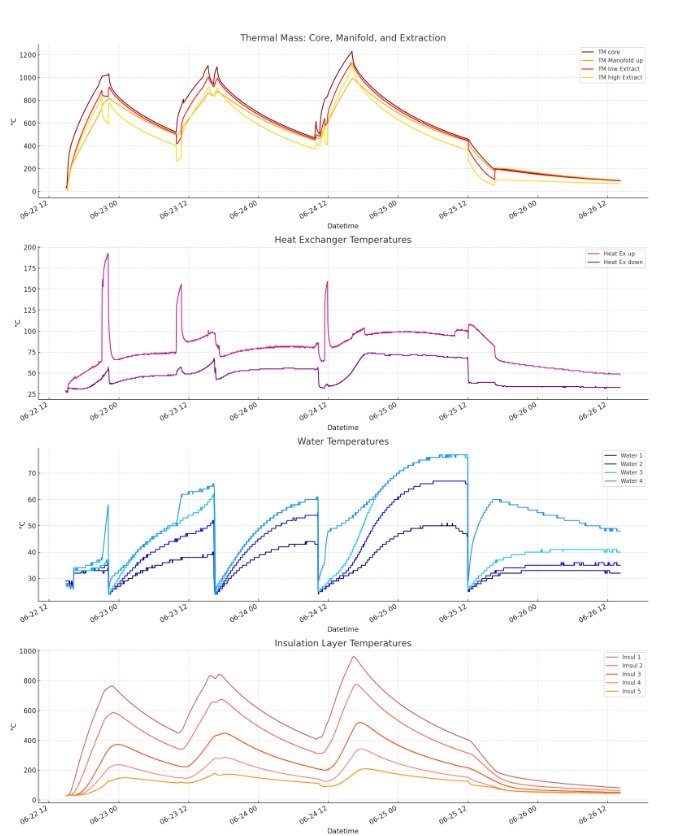
ThermoVolt field trial data — 4-day thermal cycle
Gujranwala field trial · Thermal mass, heat exchanger, water & insulation temperatures · 4-day charge/discharge cycle
Field trials in Gujranwala validate performance under Pakistan's demanding climate: 45°C+ ambient temperatures, dust, humidity, and voltage fluctuations.
🌡️ Thermal Mass Core (1,000°C)
Multiple charge/discharge cycles recorded. Core temperature climbs to 1,000°C+ during charging, holds heat through multi-day discharge without supplemental energy.
💧 Water Delivery (60–72°C)
Water temperatures consistently reach ~60–72°C per cycle — sufficient for sanitation and domestic hot water. Demonstrated output: ~300 L/day from a 12 kWh / 100 L unit.
♨️ Hot-Water Retention (Multi-day)
With the insulated 1,000°C thermal core, the 12 kWh / 100 L unit can retain useful hot water for up to ~5 days after a full charge.
🧱 Insulation Performance
Five-layer insulation stack shows well-controlled heat gradient — minimal losses at the outer shell, confirming multi-day storage without backup fuel.
📡 Remote Monitoring
ESP32 controller with 4G telemetry provides continuous field data. This MRV stream is designed to support carbon-credit pathways (e.g., Gold Standard / Article 6).
Safety & Maintenance

Built for Daily Cycling

No flammable electrolyte. No pressurised gas. No fire risk. ThermoVolt operates at atmospheric pressure with inert ceramic materials. The heating elements are the only wear component — designed for replacement without specialist tools.

🛡️ Pressure & Over-Temp Protection
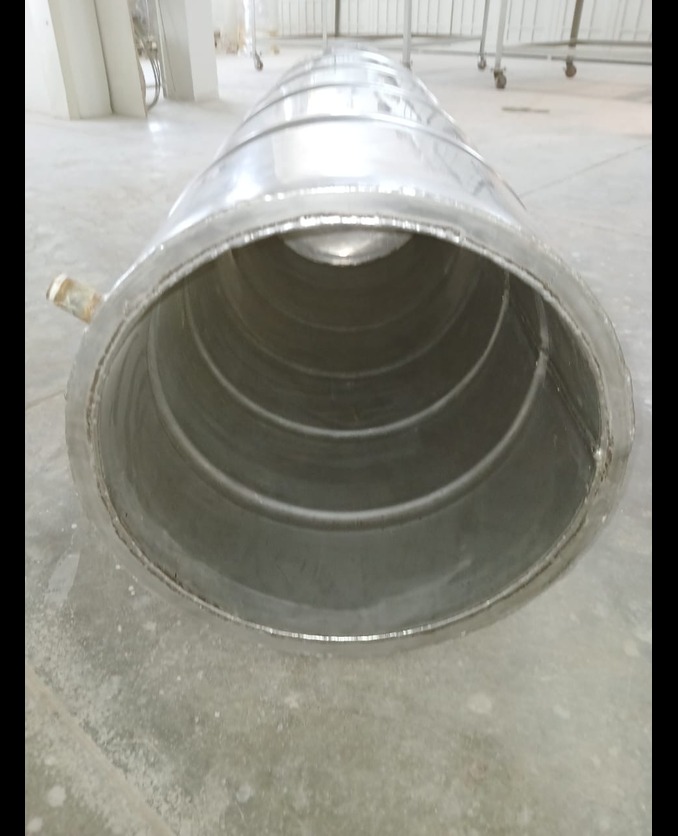
Double-cylinder SS304 water body rated for domestic pressure service, with a 3-bar pressure relief valve (PRV) and temperature control logic to prevent runaway heating.
🔧 Serviceable Wear Parts
Heaters, sensors and seals are designed for straightforward replacement. The refractory thermal core is intended for long life under repeated thermal cycling.
🏠 Corrosion-Resistant Water Side
SS304 construction, clean weld geometry, and conservative temperatures support long tank life. Monitoring can flag abnormal behavior early for preventive maintenance.
Intelligent Charging

The Smart Gateway: Charge at the Right Moment

The ThermoVolt controller monitors household electricity, PV output, and grid tariffs in real time — routing surplus energy into the thermal battery at precisely the moments when it would otherwise be wasted or cheapest.

As Pakistan's grid moves toward 60% renewables by 2030, dynamic tariffs will make this intelligence increasingly valuable. The controller is the bridge between Pakistan's evolving electricity market and the thermal battery at its core.

☀️
PV Surplus Detection
Controller monitors rooftop PV output. When generation exceeds household consumption, surplus is routed to the thermal battery rather than lost.
Grid Tariff Awareness
In grid-connected installations, the controller tracks dynamic tariffs. It charges the battery during low-tariff peak-PV windows — and stops when tariffs rise.
🧱
Thermal Storage
Electricity drives FeCrAl heating elements embedded in the alumina core — converting electricity to heat at 100% efficiency, no inverter needed.
📡
Carbon Credit Telemetry
4G data stream records operational data that can support MRV of LPG or gas displacement, enabling carbon-credit pathways subject to methodology requirements.
Product Range

12 kWh to 10 MWh —
One Ceramic Core

Every product shares the same alumina refractory core, manufactured on the same line at Ismail Ceramics. Starting with residential, proving the technology, scaling upward.

12
kWh · Residential
Residential Geyser
100 L integrated tank delivering ~300 L/day at ~60°C, with up to 5-day reserve. SS304 double-cylinder at 3 bar with PRV. Replaces LPG geyser entirely. Charges from rooftop PV.
Field Trials
36
kWh · Commercial
Commercial Geyser
Hotels, guesthouses, hospitals, schools. Modular ceramic cores, triple residential capacity. Solar or grid charging.
Scaling
72
kWh · 400°C+
Thermal Tandoor
Commercial tandoor for bakeries and restaurants. Eliminates daily gas. Can charge from the grid at off-peak rates — no rooftop access needed.
Scaling
400+
kWh · Industrial
Modular Hex Battery
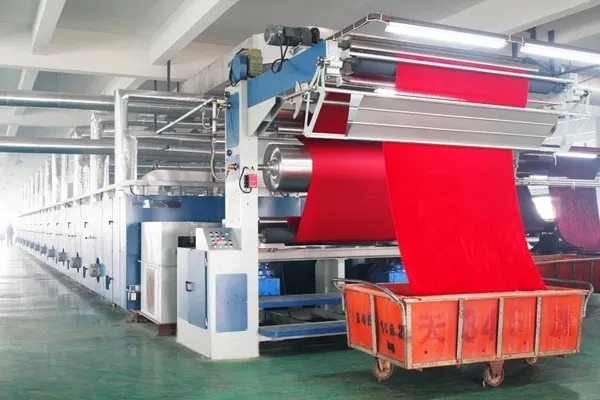
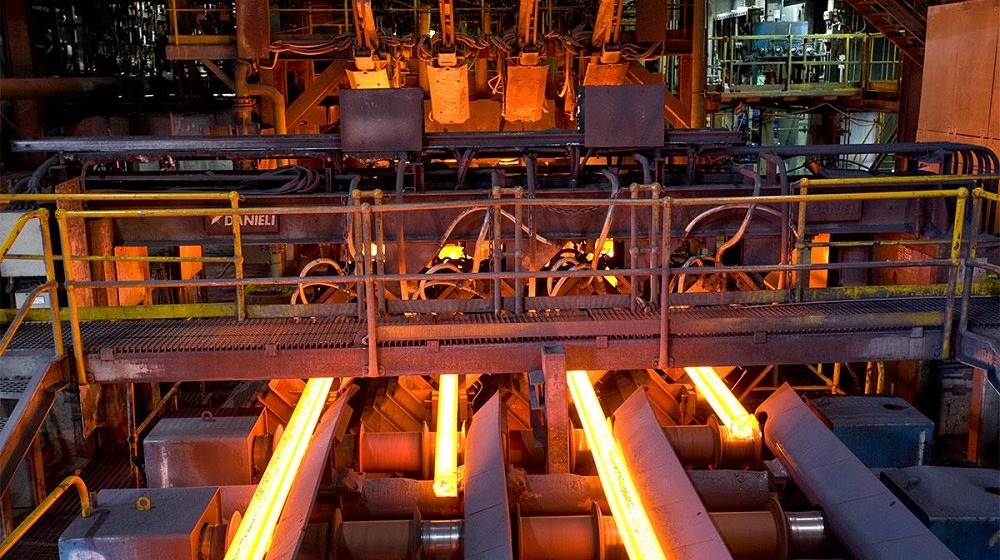
Hexagonal-module industrial battery. Scalable to 10 MWh per container. Process heat for textiles, food processing, ceramics firing.
Development
Pakistan's Energy Transition

The Demand is Already There

Pakistan is in the midst of an unplanned solar revolution — 18 million rooftop systems installed not because of incentives, but because grid electricity became unaffordable. Renewables now supply 53% of electricity, with a target of 60% by 2030.

The result is a massive, stranded solar asset and an emerging dynamic tariff environment. Meanwhile, households and SMEs continue burning imported LPG and gas for water heating and cooking — the dominant energy end-uses.

When the end use is heat, the optimal storage medium is heat. Pakistan doesn't need lithium, cobalt, or nickel. It needs clay, alumina, and wire — all domestic, all affordable, all available now.

~70%
Residential energy consumed as heat
60%
Renewable target by 2030
$17B
Annual fossil fuel import bill
18M+
Solar systems installed
Market Position

Built for the Missing Middle

Global thermal storage leaders target utility-scale plants in developed markets. iTerra targets the segment nobody else is designing for: Pakistan's 18 million solar households and hundreds of thousands of SMEs.

CompanyScaleTemperature Target MarketManufacturing
Rondo Energy10–100+ MWh~1,200°C US/EU heavy industryUS factory
Antora Energy10–100+ MWh1,500–2,400°C US industry + gridUS factory
MGA Thermal5–100+ MWh~650°C AU/EU power stationsAustralia
iTerra ThermoVolt12 kWh – 10 MWh1,000°C Pakistan SMEs & householdsGujranwala, Pakistan
Founding Team

Three Decades of Pakistan Experience

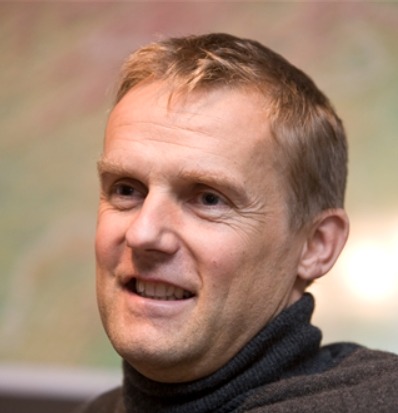
Dr. Reto Stocker
Dr. Reto Stocker
CEO & Co-Founder
Retired ICRC Director with 28 years in Afghanistan, Pakistan and Iran. PhD in global climate change (Basel). Leads iTerra's strategy and Swiss partnership.
Farhana Faruqi Stocker
Co-Founder, Social Development
Social development specialist, seconded to UNAMA. Leads iTerra's community engagement and social impact strategy.
Dr. Irfan Yousuf
Dr. Irfan Yousuf
Co-Founder, Carbon & Energy Policy
Pakistan's leading carbon credit specialist and former NEPRA/UNDP energy advisor. Leads iTerra's regulatory and carbon credit strategy.
Collaboration

Local Manufacturing, Swiss Partnership

Appropriate technology must be manufactured where it is deployed — using local materials, local skills, and local industry.

Manufacturing Partner · 🇵🇰 Gujranwala
Ismail Ceramics
Pakistan's leading refractory ceramics manufacturer. iTerra operates an embedded R&D laboratory within Ismail Ceramics' facility — from raw clay formulation to production-scale manufacturing. The entire supply chain, from mined earth to fired ceramic, stays within Pakistan.
Co-financing Partner · 🇨🇭 Switzerland
REPIC Platform
The Swiss Interdepartmental Platform for Renewable Energy, Energy Efficiency, and Resource Efficiency in International Cooperation. REPIC co-finances iTerra's pilot deployments across three Pakistani cities, validating ThermoVolt's performance and carbon credit generation under real field conditions.
Partner With Us

iTerra welcomes development agencies, institutional investors, and Pakistani industrial partners.

info@iterra-thermovolt.com · Dr. Reto Stocker

Get in Touch
🇨🇭 Basel, Switzerland 🇵🇰 Gujranwala / Islamabad, Pakistan